Designing a Remote That Actually Feels Personal
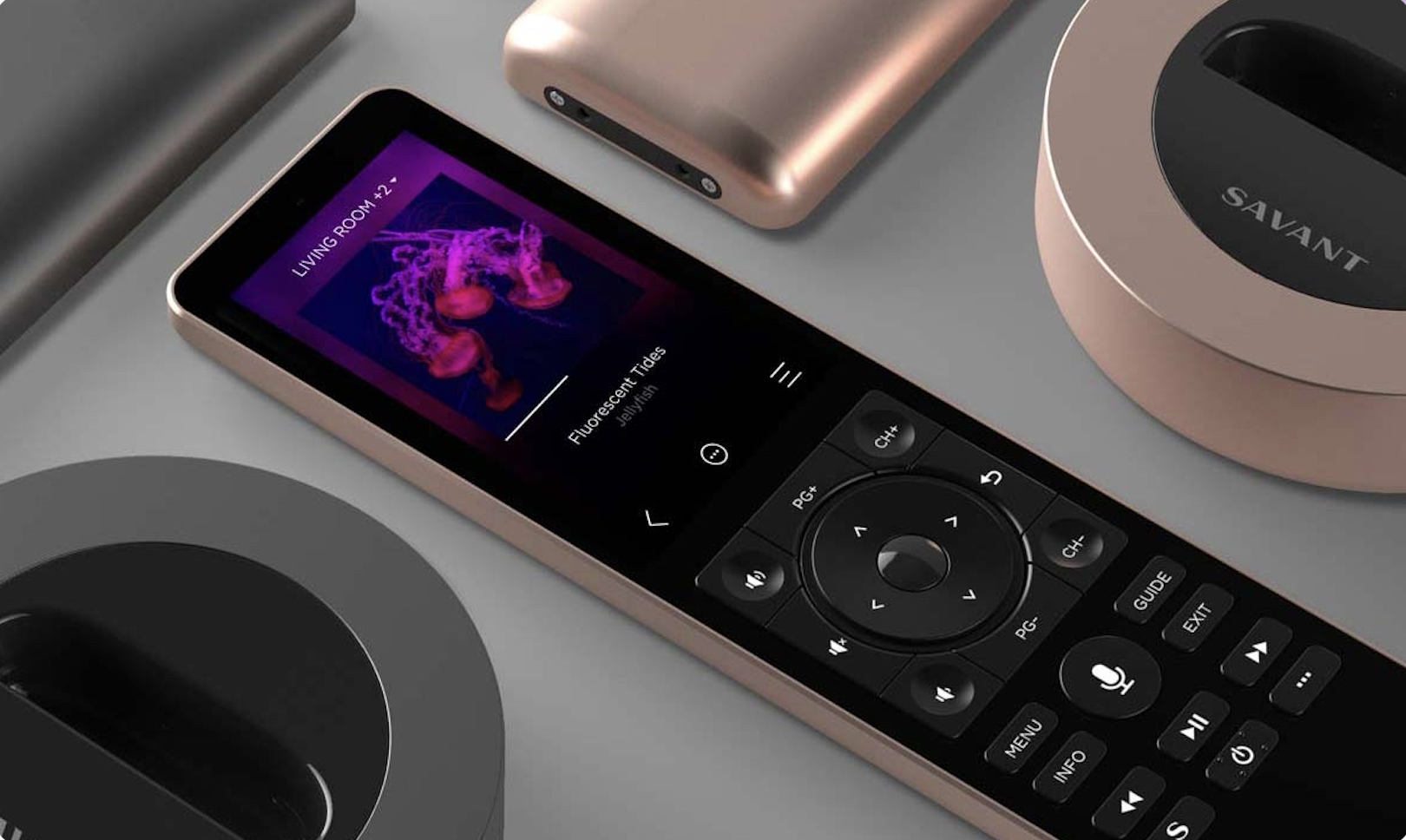
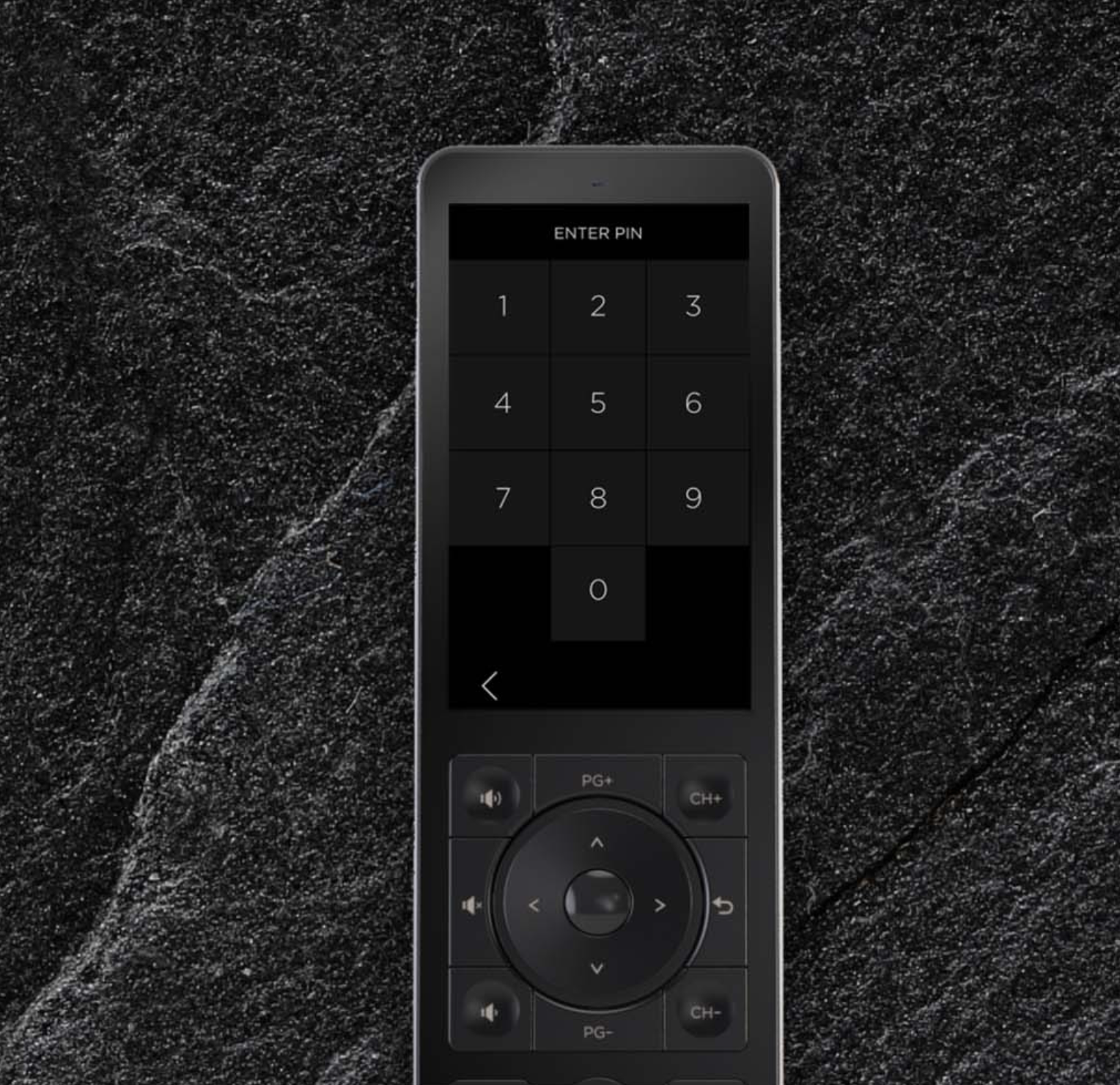
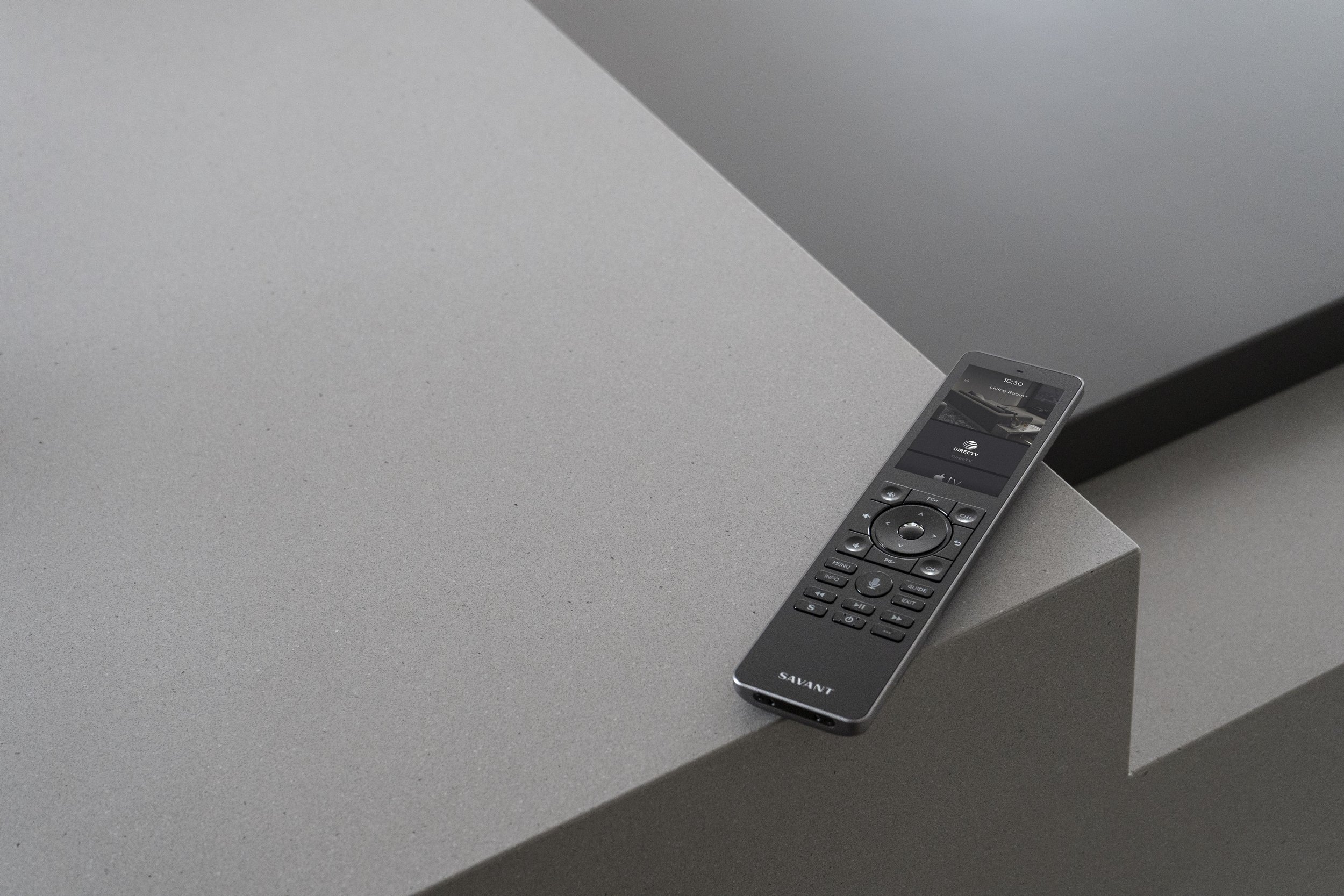
I took this photo, it is not a render.
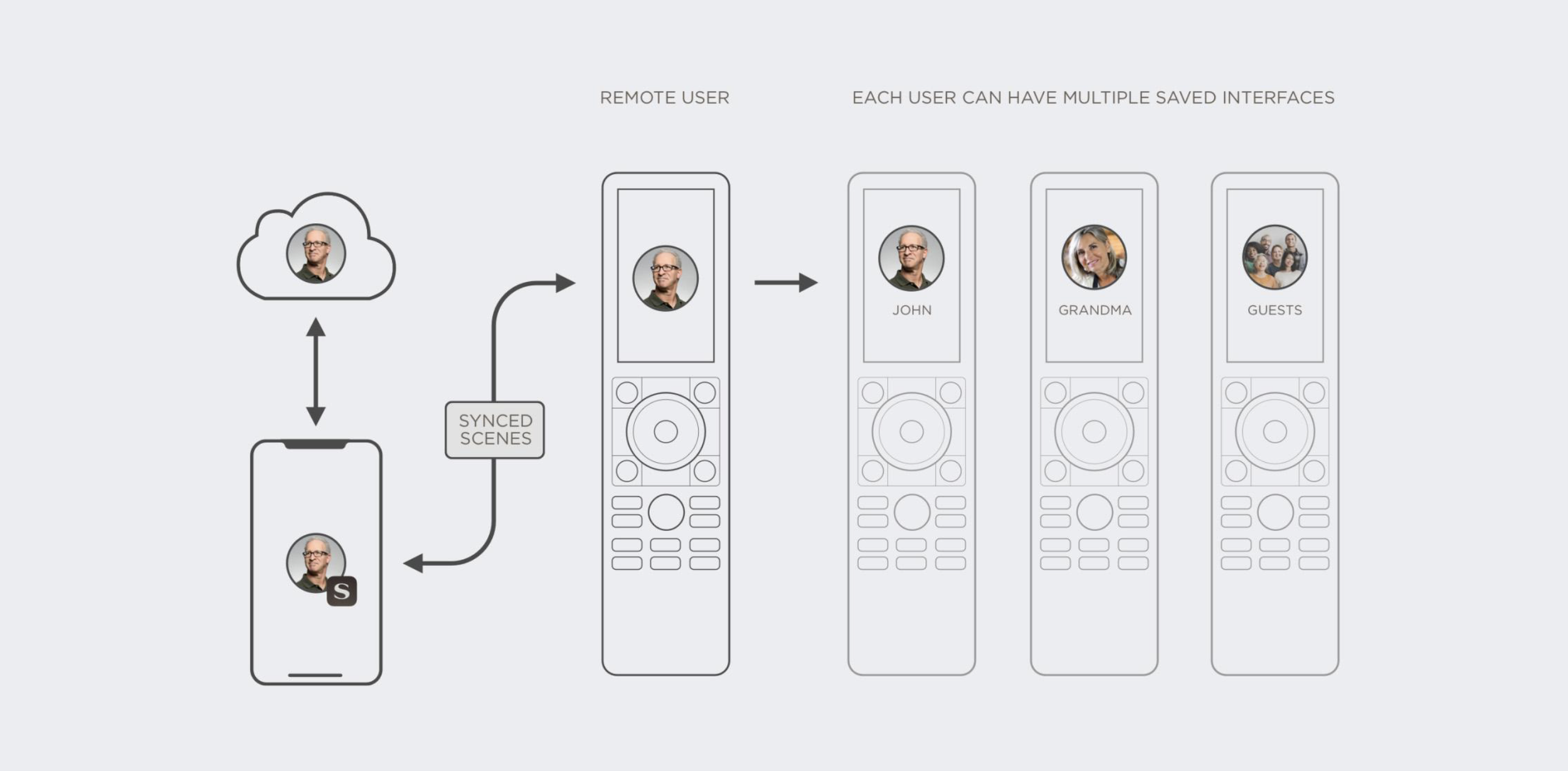
Most remotes try to be everything at once. They end up cluttered with buttons, buried menus, and interfaces that feel more like a universal remote from the 90s than something built for modern homes. The challenge with the Savant Custom Remote was to rethink that experience from the ground up. Instead of forcing every user into the same layout, we wanted the remote to adapt to the home, the system, and the person using it.
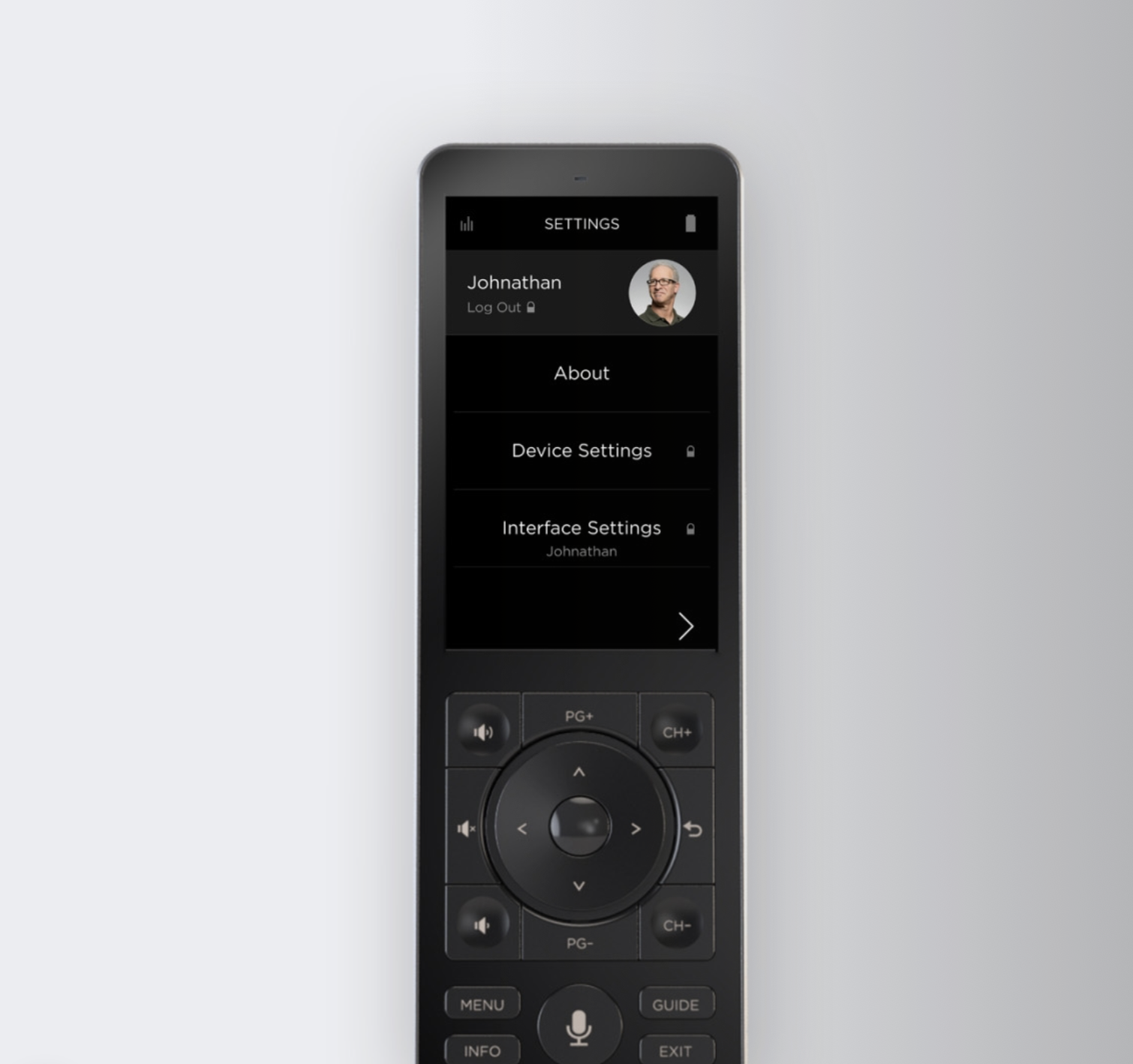
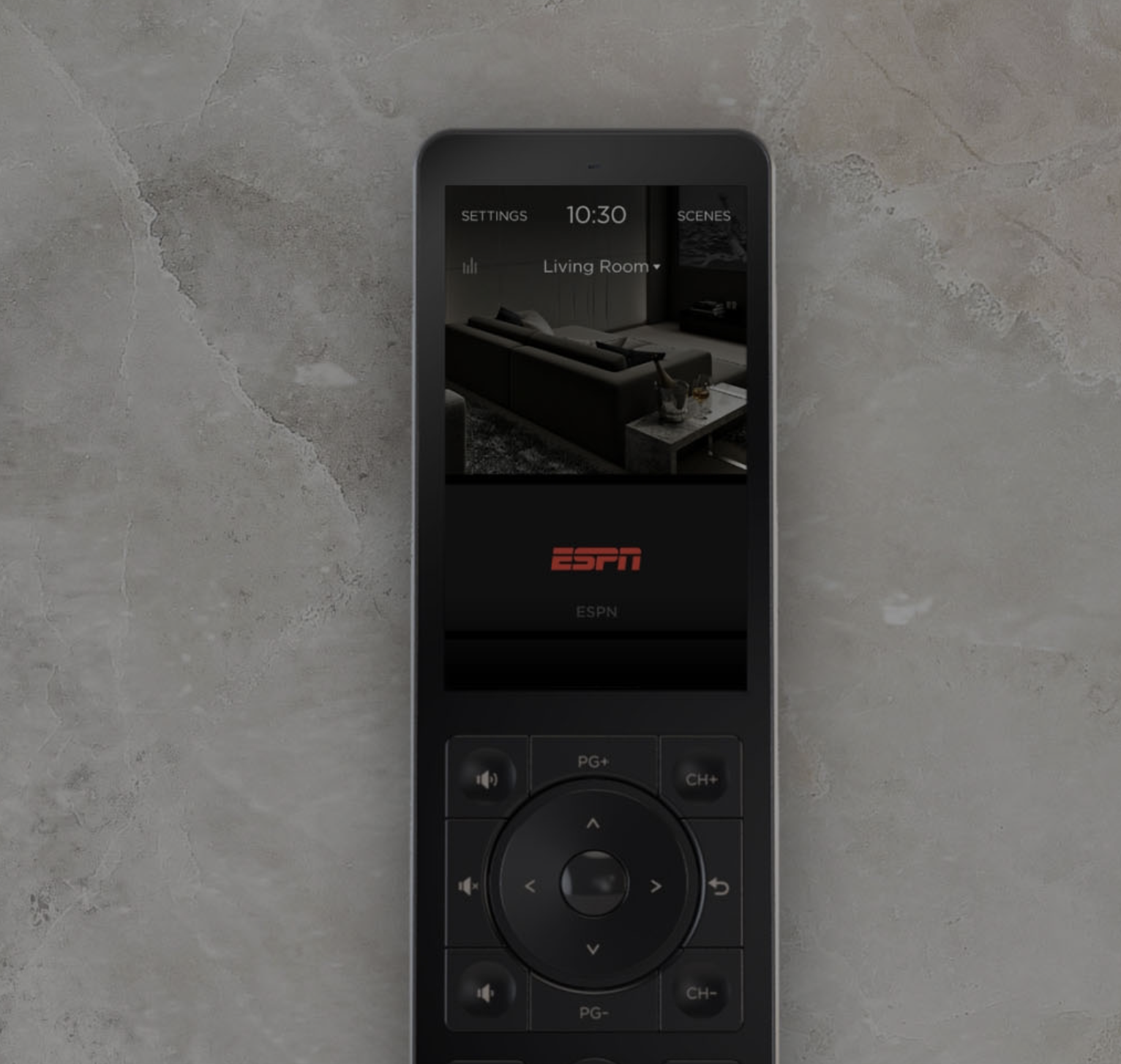
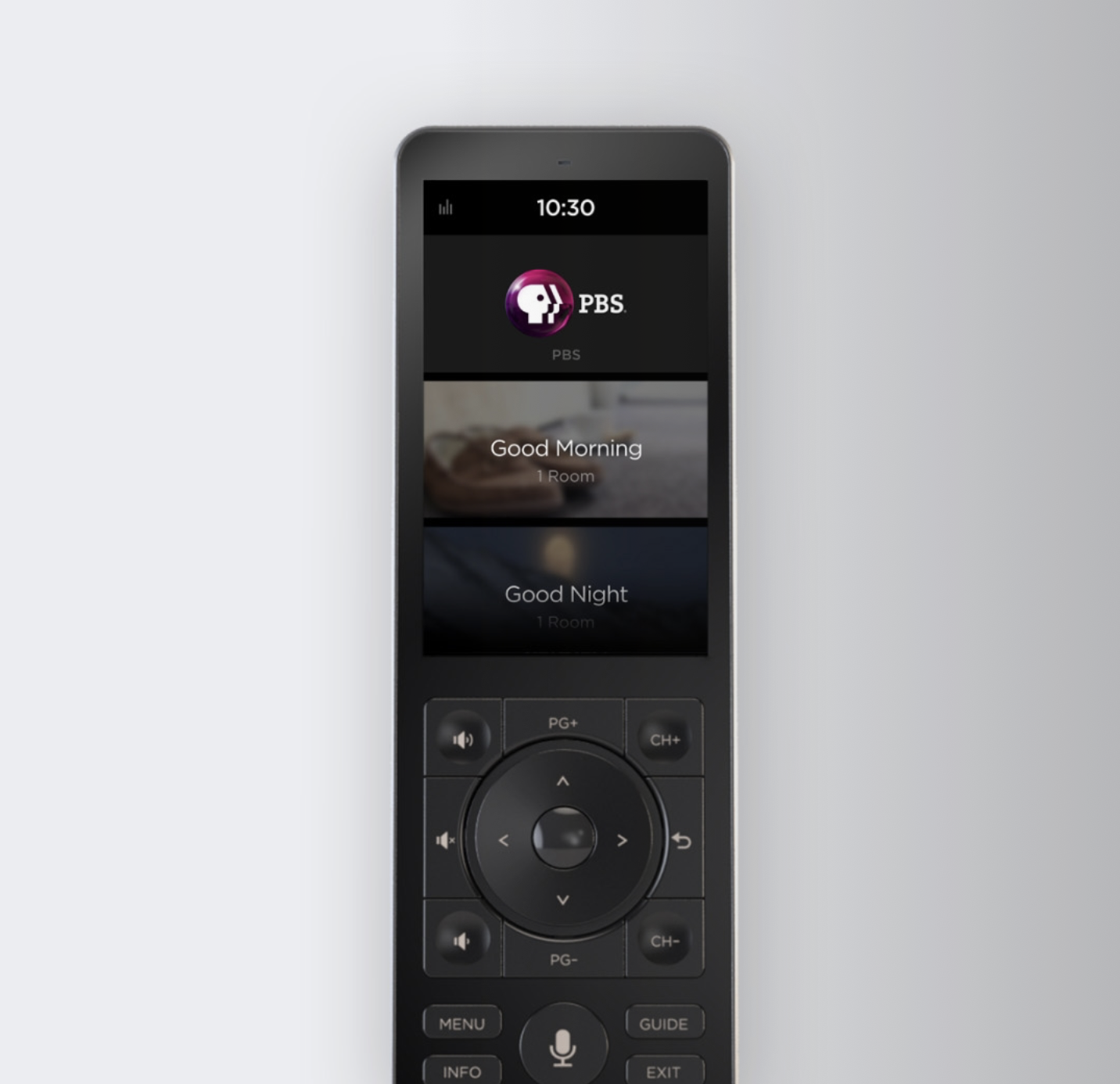
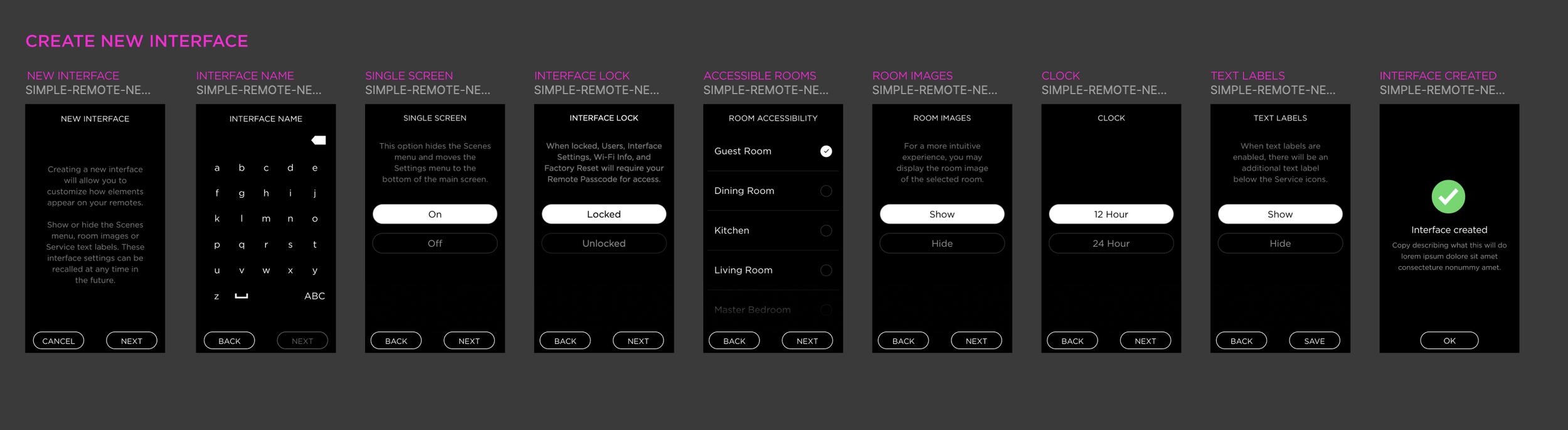
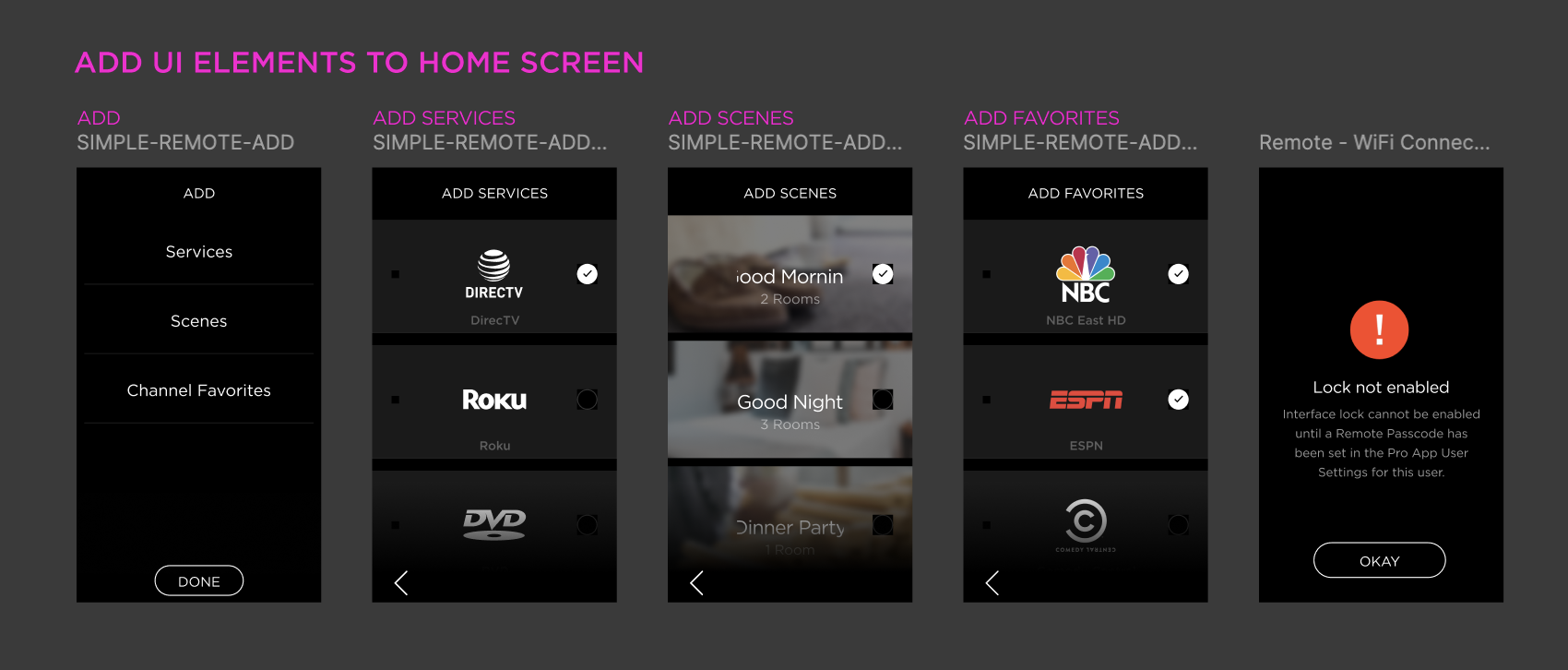
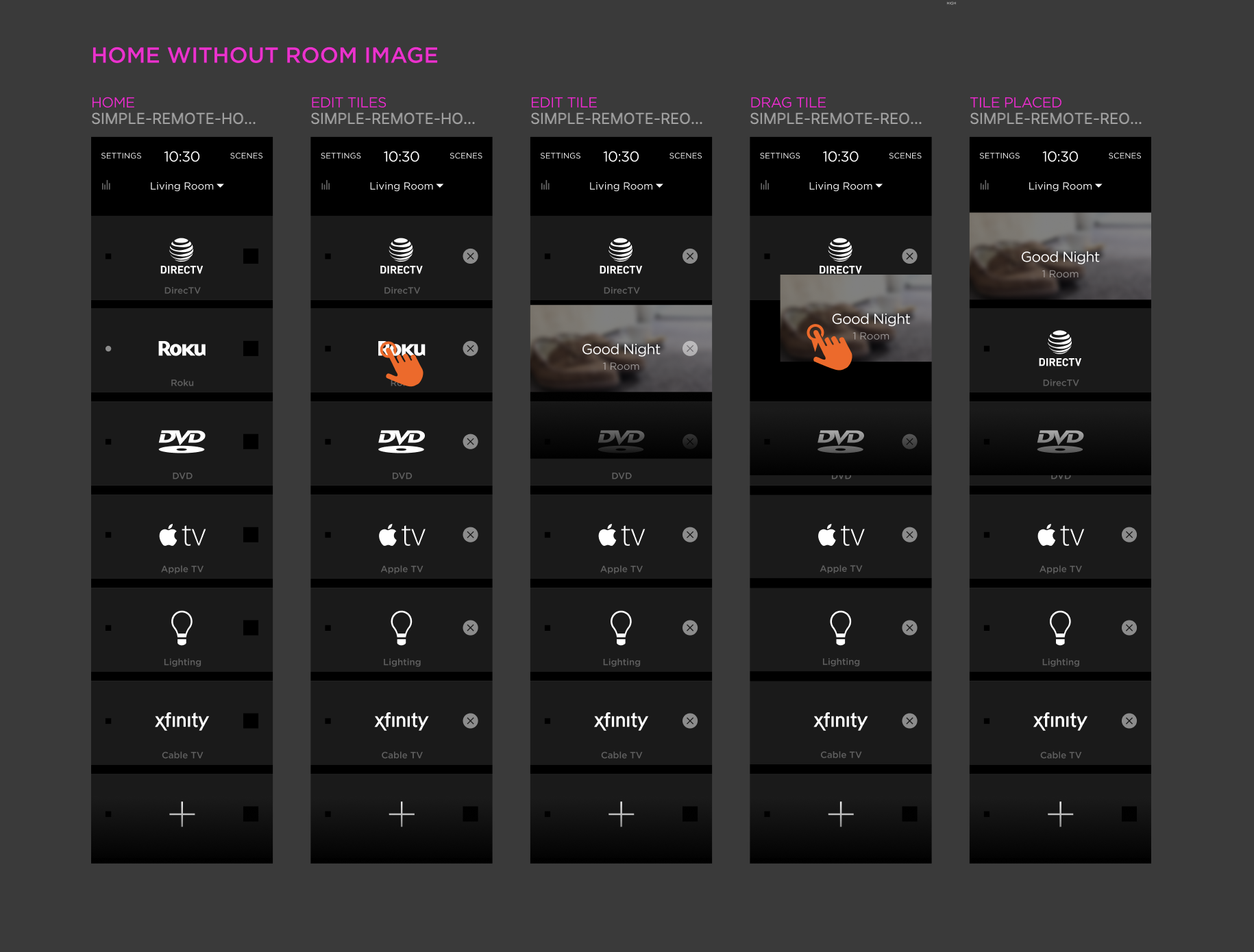
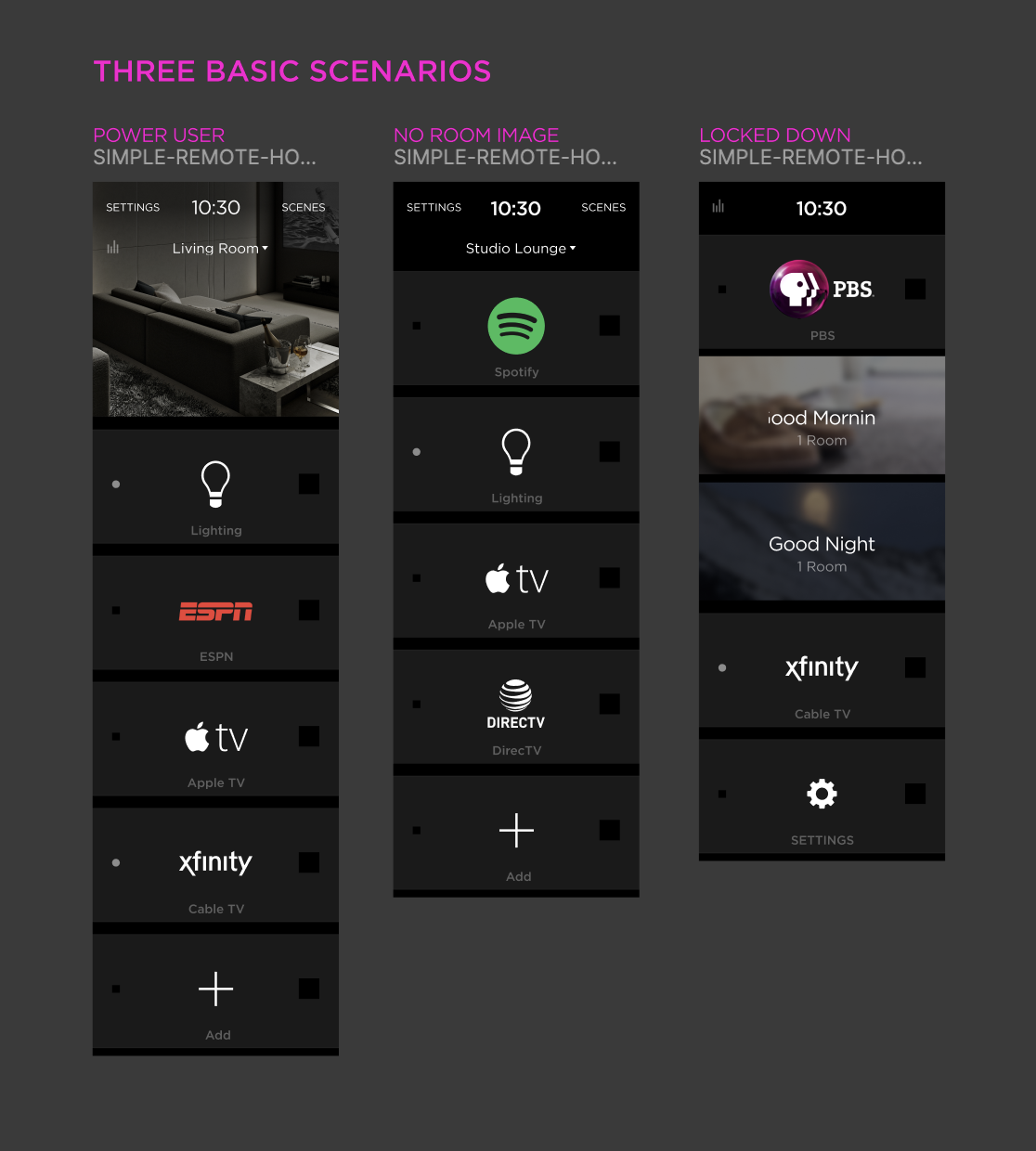
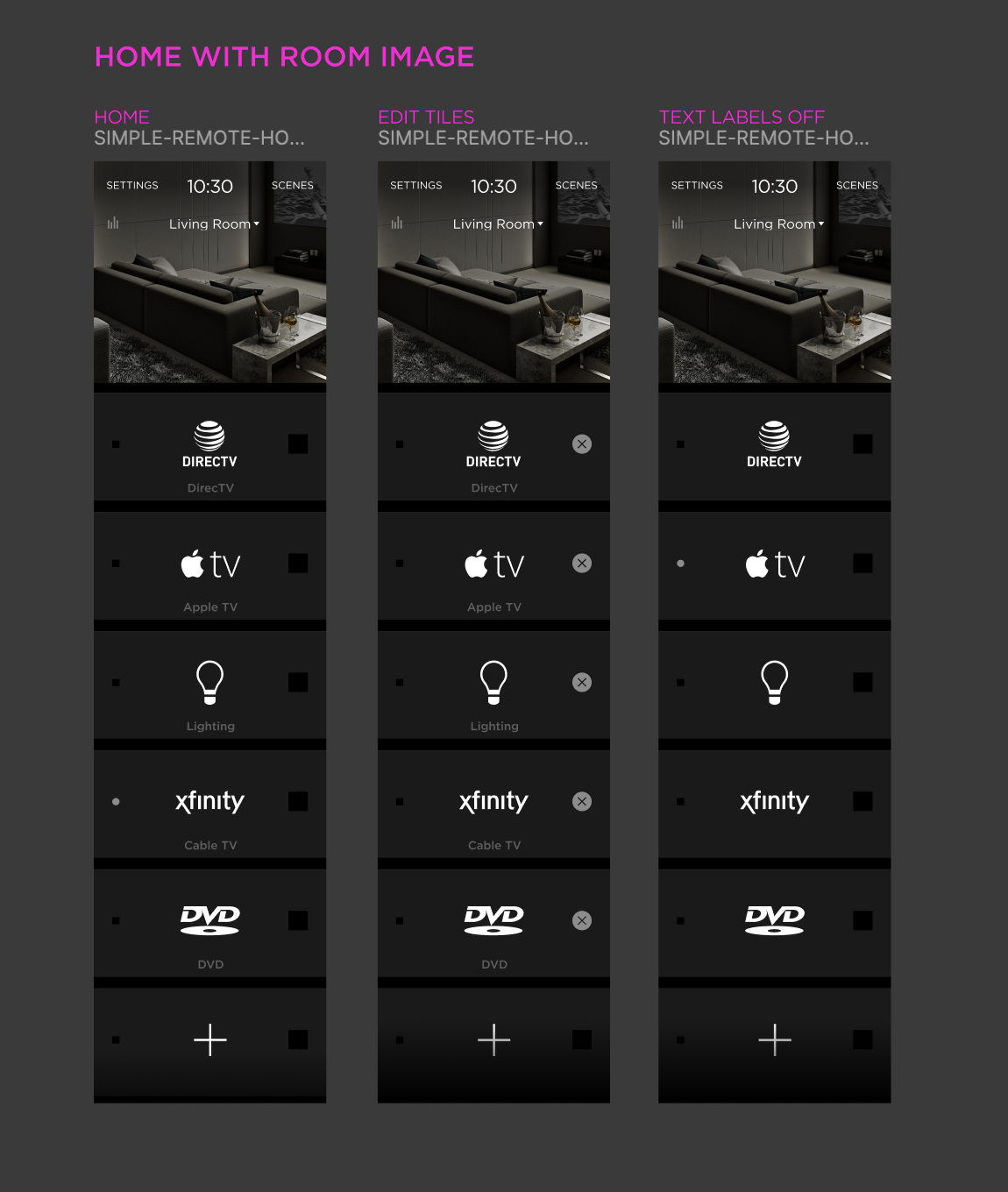
The goal was to design a screen experience that felt simple and personal, even though it was controlling a very complex system behind the scenes. A Savant home can manage lighting, media, climate, shades, security, and more—so the interface needed to surface the right controls at the right moment without overwhelming the user. We focused on clear visual hierarchy, large touch targets, and a structure that made common actions quick and obvious while keeping deeper controls accessible when needed.
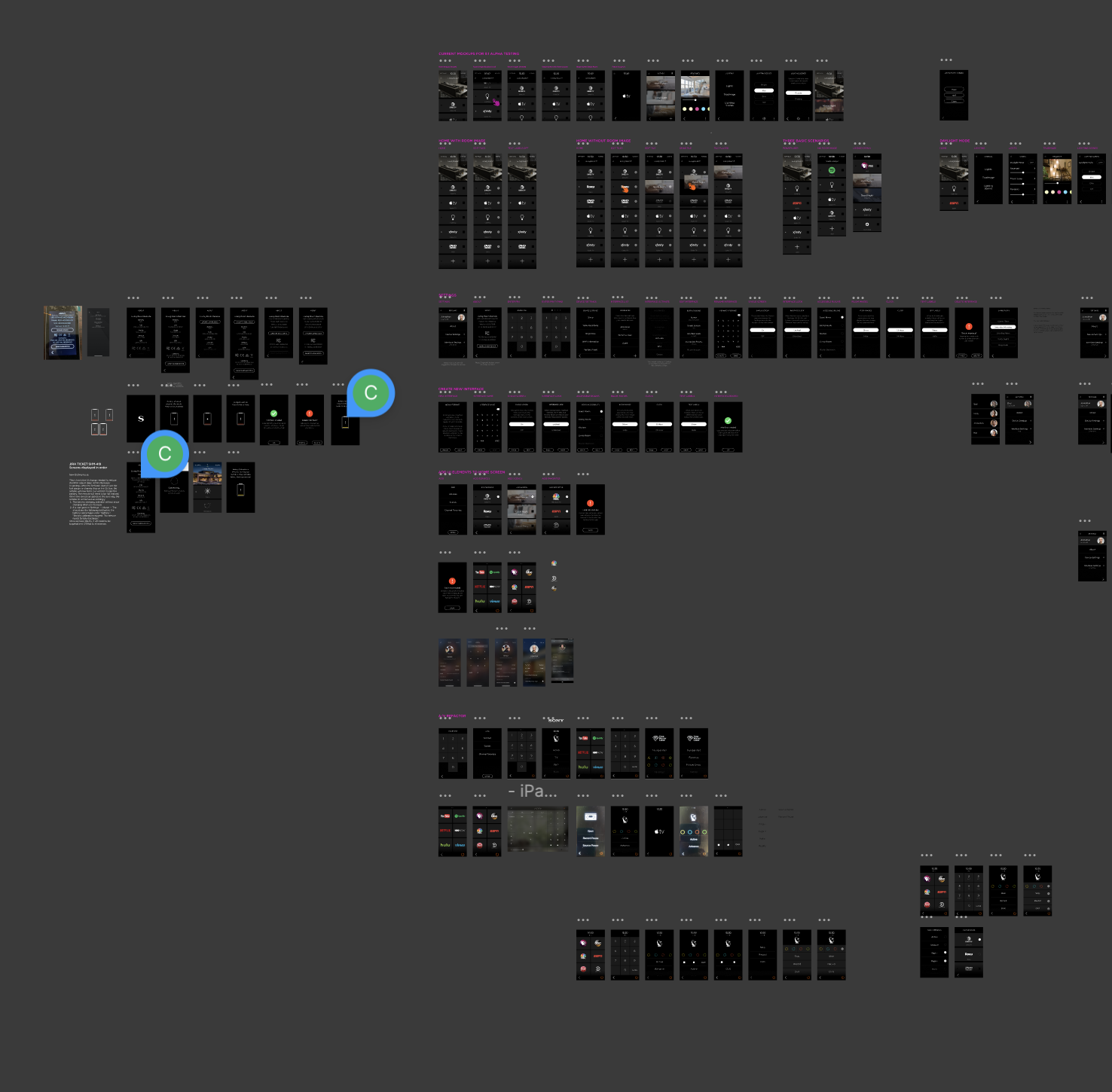
My process centered around exploring how the remote could behave more like a companion than a tool. I worked through layout systems, navigation patterns, and different ways of presenting room-based controls and media playback. Prototypes helped us test how quickly someone could move between tasks like adjusting lights, changing music, or switching rooms. Over time the interface evolved into something that feels calm and intentional—letting the technology fade into the background so the experience of the home stays front and center.